
certified baby and child sleep consultant
MENTORSHIP PROGRAM

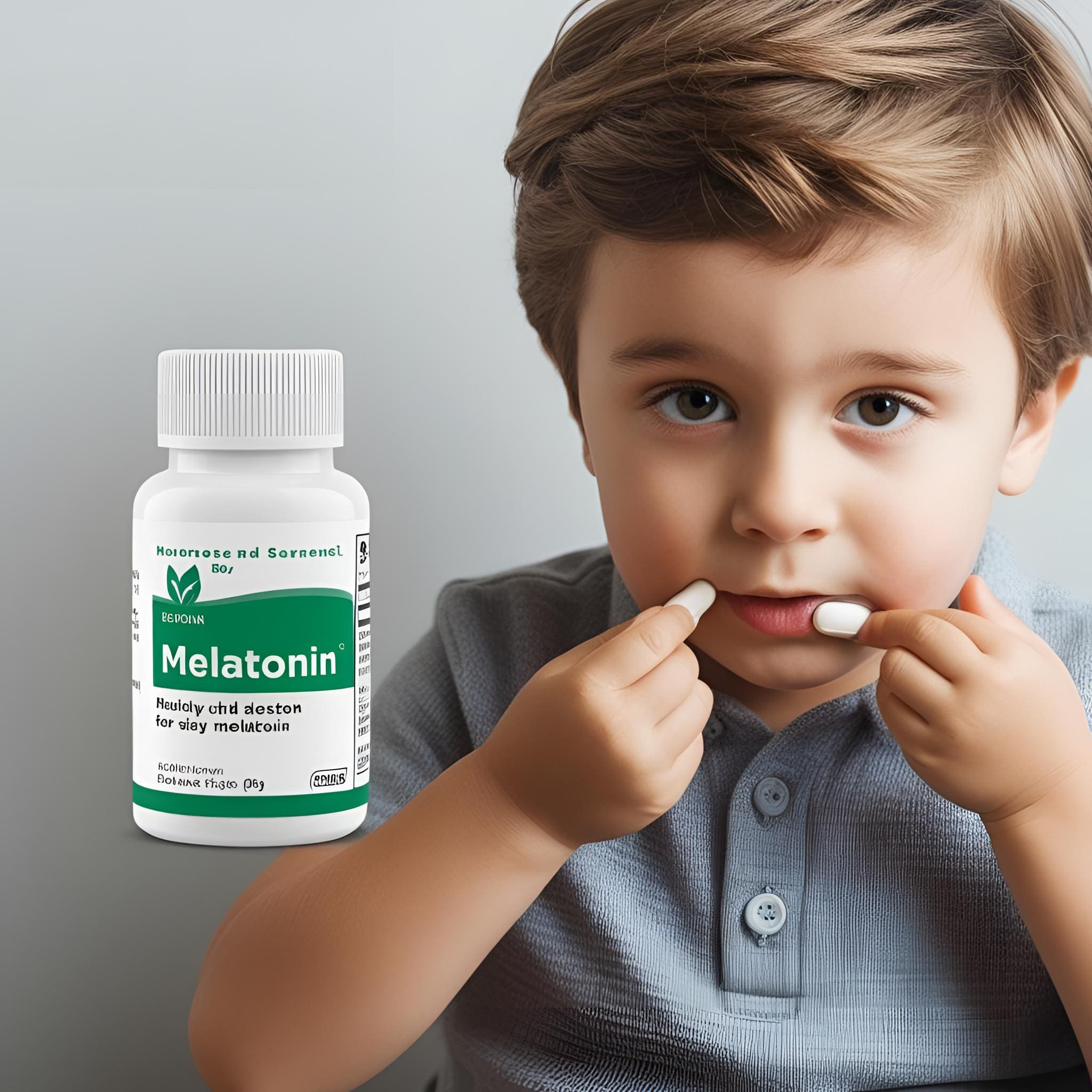
When sleep is a struggle, parents sometimes turn to Melatonin to help their children fall asleep—but is it actually safe?
Before you offer melatonin as a quick fix, it’s important to understand how it works, the potential side effects, and what sleep experts recommend first. While melatonin can help some children fall asleep faster, research shows that long-term safety in kids is still unclear, and it should not replace healthy sleep habits.
In this article, we’ll break down what every parent should know before giving melatonin.
What Is Melatonin and How Does It Work?
Melatonin is a natural hormone your body produces to help regulate your sleep–wake cycle (also called the circadian rhythm). It’s made in the brain by the pineal gland and released in response to darkness, signaling that it’s time to wind down and sleep.
How It Works
- Lowering Body Temperature: Once released, melatonin helps slightly lower the body’s core temperature, which is a necessary physiological step for entering deep sleep.
- Blood Pressure and Cortisol: It helps reduce blood pressure and lowers levels of cortisol (the “stress hormone”), further calming the body.
- The “Gate” Mechanism: Melatonin essentially “opens the gate” for sleep. It tells the brain that the day is over and provides the quiet environment necessary for the sleep-induction process to begin.
- Blue Light Triggers: The light emitted by smartphones, tablets, and LED bulbs mimics daylight, which can trick the brain into suppressing melatonin production, making it harder to fall asleep.
⚠️ Important to understand⚠️
Contrary to popular belief, Melatonin is not a sleeping pill—it doesn’t force the body to sleep. Instead, it simply tells the brain that it’s time to sleep, which is why it works best when paired with healthy sleep habits.
🧪 What’s Actually in Melatonin Supplements?
Melatonin supplements are considered dietary supplements, not medications. Most are synthetically made, though some may be derived from animal or microbial sources. Because they’re not tightly regulated, quality and dosage can vary between brands.
How melatonin works in the body
Think of melatonin as the body’s internal “sleep signal.”
- As evening approaches and light decreases, melatonin levels rise (a good reason to turn of screens 1 hour before bed!)
- This helps the body feel calm, sleepy, and ready for bed
- In the morning, exposure to light causes melatonin levels to drop, helping your child wake up
This natural rhythm is part of the body’s internal clock, known as the Circadian Rhythm.
Is Melatonin Safe for Kids?
While melatonin is Food and Drug Administration (FDA) approved and marketed as ‘natural’, it is considered a dietary supplement in the United States, which means that regulations around it are less strict than a prescription or over-the-counter drug would be. ‘Natural’ does not automatically mean ‘safe’. In many other countries, melatonin is classified as a drug and can only be obtained with a prescription.
Research suggests that melatonin plays other important roles in the body beyond sleep. However, these effects are not fully understood.
There is still much we do not understand regarding the use of melatonin in children due to a lack of comprehensive studies. Without reliable research:
- The appropriate dosage and timing for administration remain uncertain.
- The long-term effects of melatonin use, as well as whether its benefits surpass potential risks, are still unknown.
- Information on the long-term safety of supplementing with melatonin is lacking.
- How will it affect the child’s development? Since melatonin is a hormone, there is a very real possibility that its supplements could influence hormonal development, including puberty, menstrual cycles, and excessive production of the hormone prolactin.
Common Side Effects of Melatonin in Children
Melatonin is a hormone your child’s brain naturally produces in response to darkness, helping signal that it’s time to fall asleep—not necessarily stay asleep. While it’s often marketed as a gentle, natural solution, it can come with side effects that parents should understand before using it regularly.
Some children tolerate melatonin well, but others may experience:
- Vivid dreams or nightmares
- Increased nighttime wakings (especially since melatonin mainly helps with falling asleep, not staying asleep)
- Morning drowsiness or grogginess
- Headaches
- Dizziness
- Mood changes, including irritability or agitation
🚼 Less Talked-About Effects
These are important—and often overlooked:
- Increased bedwetting in some children
- Disrupted natural melatonin production with long-term use (seen in adult studies, with concerns about similar effects in kids)
- Inconsistent dosing in over-the-counter supplements (what’s on the label isn’t always exact)
- Potential impact on developing hormones, since melatonin plays a role in the body’s endocrine system
Why Experts Recommend Caution
Even though Melatonin is widely used, many experts suggest being cautious—especially for regular use in children.
⚠️ Not FDA-Approved as a Medication
Melatonin is a supplement, not regulated like medications by the U.S. Food and Drug Administration.
👉 This means no strict standards for safety, dosing, or long-term use in kids.
⚖️ Inconsistent Dosages
Studies show melatonin products can contain more or less than what the label says.
👉 This makes it hard to know exactly how much your child is getting.
🧠 Hormone Concerns
Melatonin is a hormone that affects the body’s sleep-wake cycle (Circadian Rhythm).
👉 Experts question how long-term use may impact natural production and development.
MELATONIN WILL NOT…
Melatonin may help a child fall asleep but it will not help them stay asleep. Melatonin will not correct any sleep associations or issues or teach them how to go back to sleep. Melatonin is not a magic sleep solution. It’s not appropriate to use it to:
- In place of sleep training
- Making “good” sleep “better”
- Treating sleepwalking, restless sleep, or night-terrors
- Long-term use without medical supervision
- Forcing earlier bedtimes for school/parental schedules
Things to Consider
Sleep is behavioral and melatonin will not change behavior.
- What kind of sleep issues are you having?
- Is your child experiencing any stress from school, friends, or family changes?
- Sleep Schedule: are naps and nights being offered at age appropriate times? Are naps happening or being skipped? Have you tried capping the nap? Is the time between nap and bedtime too long causing overtiredness? If no nap, when is bedtime? How do you respond when they are struggling to fall asleep? All of this impacts sleep.
- Are you turning off screens at least an hour before bedtime?
- Is the bedroom too quiet/noisy, cold/warm?
- Is there too much light in the room? Light triggers cortisol. Darkness triggers melatonin production
- What does your bedtime routine look like? Does it need adjusting?
- Are there any underlying medical conditions or medications?
Natural Alternatives to Melatonin for Kids
- Implement a consistent bedtime routine. Need ideas – check out mine!
- Limiting screens 1 hour before bed
- Dark, cool room (68-72 F or 20-22.2 C)
- Make sure sleep schedule is age appropriate. Download my free sleep chart cheat sheet for easy reference!
- Eliminate sleep associations and encourage indpenedent sleep
- Set boundaries and clear expectations
📌 Sleep hygiene alone can resolve up to 50% of pediatric sleep issues. Every child is different and every situation is different. Let’s get on a free consult call to talk about your concerns and specific situation, see if we can make a few changes, and come up with a plan of support, before turning to medication. If you’ve addressed these factors and your child still struggles with sleep reach out to me first. Let’s try to see if the issues are behavioral first. If not, melatonin might be helpful.
When Should Parents Talk to a Doctor?
Talk to a pediatrician first. Many sleep problems can be handled with a change in schedules, habits or behaviors.
- Sleep disorders
- ADHD/autism cases (where melatonin may help)
- If your child is neurotypical and does not produce melatonin naturally.
- Jet lag
SAFETY FIRST:
Safety is critical. we’ve all heard stories of kids getting into their parent’s medicine cabinets. Melatonin, which often comes in candy-looking gummy varieties, is especially intriguing for kids. Prioritizing safety is essential.
- Store melatonin just like any other medication – keep it out of reach and in childproof containers. Never combine gummy melatonin with regular gummies or candies.
- If you do choose to use melatonin, select a product with the USP Verified Mark, and only use under supervision of a health care provider.
- Based on case surveillance data, a 2024 report by the U.S. Centers for Disease Control and Prevention (CDC) estimated that from 2019 to 2022, 11,000 emergency department visits were for unsupervised melatonin ingestion by children 5 years and younger. The report noted that many of the incidents involved ingestion of flavored products such as gummies and emphasized the importance of keeping medications and supplements out of children’s reach and sight. *
- Potential for overdose is real. The 2022 study also showed that the number of reports to U.S. poison control centers about people 19 years and younger who took melatonin increased from 8,337 in 2012 to 52,563 in 2021.*
- Steer clear of unregulated items from online marketplaces. Some melatonin supplements may not contain what’s listed on the product label. Researchers at University of Mississippi found that 22 out of 25 over-the-counter melatonin gummy products were inaccurately labeled, with some containing significantly more melatonin than indicated. One product contained over three times the labeled amount, while another had none at all. **
💬 A Final Thought for Parents
When you look at the potential side effects—especially things like night wakings, vivid dreams, and mood changes—it’s worth asking whether melatonin is truly solving the problem or possibly creating new ones.
For many families, these effects can outweigh the short-term benefit of falling asleep faster, especially if the root cause of sleep struggles hasn’t been addressed.
When something affects your child’s brain, hormones, and sleep cycles, it deserves a closer look.
Melatonin isn’t inherently “bad”—but it’s also not as simple or risk-free as it’s often made to seem. And for many families, understanding these nuances is what leads to better, more sustainable sleep solutions. Sleep struggles can be overwhelming and frustrating. You are not alone.
Whether you have already started with it or you are considering it, before you grab that melatonin, call me. If you feel like you have tried everything, we can help.
*Studies provided by NIH , University of Colorado, JAMA pediatrics
** Some links on this site may be affiliate links, which means we may earn a small commission if you make a purchase—at no additional cost to you. We only recommend products and services we genuinely trust and use. All opinions expressed are our own and are never influenced by affiliate partnerships.
If your child (4 months–6 years old) is struggling with sleep and it no longer feels sustainable, you are not alone. It may be time for support. Schedule a free 15-minute consultation to discuss your challenges, your goals, and how Sleep Tight Tonight can help. ☎️

Caryn Shender, is a proud mom of two, a certified baby and child sleep consultant, founder of Sleep Tight Tonight, author of My Scar is Beautiful, safe sleep ambassador, mentor to other sleep consultants, and was awarded ‘Best of Georgia 2025’. She is passionate about and committed to helping families turn sleepless nights into peaceful nights and sweet dreams. Based in Atlanta, Georgia, she has helped hundreds of families across the US and around the world make sleep easy.
Read the latest from Sleep Tight Tonight



0-3 months 4th of july baby sleep Best of Georgia contact nap fireworks holidays how to dress baby melatonin mental health naps newborn newborns newborn sleep rocking Safe Sleep sleep aids sleep associations sleep consultant sleep disruptions sleep products sleep regressions sleep struggles sleep training swaddle toddler sleep Tog top tips travel tips twins

