
double certified baby and child sleep consultant
MENTORSHIP PROGRAM

Short naps are common but fixable!
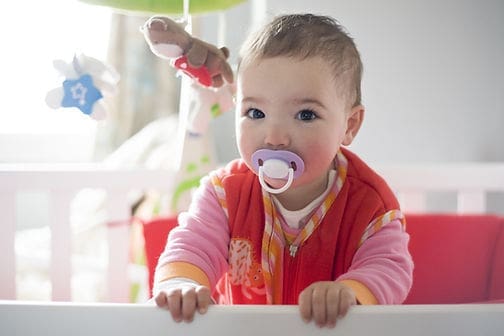
It’s finally naptime. You gently lay your baby down, tiptoe out of the room, and breathe a sigh of relief. “Perfect,” you think, “I’ll finally tackle that pile of laundry.” But before you even pull the first shirt from the basket—POP! Baby is suddenly wide awake, and your quiet moment has disappeared just as quickly as it arrived.
Do you find yourself feeling nap trapped? You feel hostage to the house and as if you’re left with just two options:
1) put baby down knowing they will wake in 28 minutes or
2) Hold baby (or drive around) so they’ll sleep in your arms for 2 hours while you get nothing done but scroll on your phone.
If this sounds familiar, you’re not alone. Short, unpredictable naps can leave you feeling like you’re held hostage by your baby’s sleep schedule. The good news? There are reasons behind those catnaps—and there’s plenty you can do to help your little one (and yourself!) get more restful, predictable sleep.
It’s so frustrating and so common.
If you’ve ever wondered why your little one’s naps seem too short, unpredictable, or just plain frustrating, you’re not alone. Naps are often one of the trickiest parts of a child’s sleep routine — but they’re also one of the most critical to master.
In this post, we’ll explore why short naps happen, how to extend them, and how to identify when it’s time to drop a nap — all based on child development, sleep science, and real-world solutions that work for families.
💤 Why Nap Time Matters
Many parents and caregivers are surprised to learn that daytime sleep impacts nighttime sleep. A well-rested child naps better and sleeps more soundly at night — sleep truly begets sleep.
Did you know?
✅ The first nap of the day is usually the easiest and most restorative.
✅ Kids thrive on a consistent, age-appropriate sleep schedule.
✅ How a child wakes up tells you a lot about their quality of sleep.
✅ When nap time happens at optimal times, bedtime and overnight sleep is easier.
Check if your child’s schedule is on track for their age by downloading the Sleep Tight Tonight free sleep chart
🧠 The Top 10 Reasons “Why” Short Naps Happen
Short naps (or “catnaps”) are common — especially during the last nap of the day. It is a single sleep cycle (around 30–45 minutes). Think about what is happening when we see a cat nap- baby has woken prematurely from a nap so their sleep pressure has already decreased and when they are between cycles, they wake because they cannot go BACK to sleep without help. So here are the common reasons short naps happen:
- Baby Is Under 6 Months Old – You can work on extending the naps with baby but know that short naps are completely normal and developmentally appropriate for kids on 3-4 naps.
- Sleep environment isn’t conducive to sleep (light, noise, motion, etc.)– I don’t want to sleep in jeans with the lights on and music playing, neither should baby. Is your baby’s room really dark? Light can trigger cortisol, which can send a signal to the brain that it’s time to be awake—which is the last thing we want at nap time. If you can see your hand in front of your face once the curtains are closed, it may be too bright. Try: Blackout curtains, cardboard or trash bags taped to windows, Sleep Out curtains, or rolled towel under the door. Be sure to turn on white noise, put baby is a safe sleep space that is horizontal, flat and firm.
- There’s No Nap Time Routine-Don’t rush naptime. Babies need time to calm and prepare for sleep and need a predictable wind-down routine so their brain and body get the memo that it’s time to sleep. Try this:
Create a simple 5–10 minute nap routine:
🍼 Fresh diaper
🧦 Cozy swaddle or sleep sack
📖 Short story
🎵 White noise
💤 Lights off
Doing the same steps in the same order cues your baby that sleep is coming. - The Wake Windows Are Off – Baby is over or undertired– Your baby may be undertired (not ready to sleep) or overtired (awake too long and now struggling to settle). Wake windows change so often during the first year, and finding your child’s sweet spot is key to better naps. Use my Sleep Chart Cheat Sheet to check wake windows for your child’s age bracket. It’s important to follow age-appropriate wake windows—not just sleepy cues. After about 4 months, sleepy cues can become less reliable, so focusing on timing is key. Also, remember to balance daytime and nighttime sleep. Too much daytime sleep can cut into your baby’s overnight sleep bank. If your baby takes a short nap of around 45 minutes, you can usually keep the next wake window the same. But if the nap is very short—around 20 minutes—you may need to shorten the next window to prevent overtiredness.
- Last Nap of the Day (on 3 naps)-It’s completely normal for the last nap of the day to be a short “cat nap,” especially when your baby is still taking 3–4 naps. A quick 20–45 minute snooze — even just 30 minutes — is perfectly acceptable. The purpose of this nap is simply to bridge the gap between the earlier naps and bedtime, helping your little one avoid becoming overtired. Think of it as a small reset to carry them comfortably to the end of the day!
- Baby falls asleep before going into cribIf your baby starts dozing off while feeding or as you prepare for nap time, that tiny “micro-nap” can actually make it harder for them to fall — and stay — asleep once they’re in the crib. That’s why it’s critical that your baby goes into the crib fully awake and learns to fall asleep independently.Your role is to guide your baby into a calm, relaxed, and awake state—not all the way to sleep. Aim to assist your child to a calm state but not to sleep state. Ensure baby is calm. Ensure your baby is calm, relaxed, awake, and ready for sleep without falling asleep on you. This teaches them the essential skill of putting themselves to sleep, which is key for healthy, predictable naps.
- Need a Feed – aka hungry-If baby is snacking throughout the day with little 1-2 oz feeds or if it’s been more than 3 hours since the last feeding, your baby might simply be waking up hungry. Try Sleep – Eat- Play and offer feedings after waking from naps and encourage full feeds. Just make sure it doesn’t turn into a drowsy feed that interferes with sleep pressure. We don’t want to feed to sleep.
- Baby Relies on Parent-Led Sleep Associations (external help like rocking, feeding, etc.) to fall asleep-If your baby needs to be rocked, fed, or bounced to fall asleep, they’ll often expect the same help when they wake between sleep cycles—typically every 30 to 45 minutes. This is because they’ve learned to rely on those external sleep associations rather than developing the ability to soothe themselves. During naps, this can make it especially challenging for them to stay asleep, since daytime sleep is already lighter and melatonin levels naturally decrease as the day goes on. Without the skill to fall asleep independently, your little one is more likely to wake fully and look for assistance to link sleep cycles.
- Not getting active between naps – Get outside, get fresh air, go for a walk, take a class. Getting active between naps builds sleep pressure and increases stimulus. If you’re bored, baby is bored; a bored baby can look like a tired baby- but that doesn’t mean they are truly ready for a nap.
- Parents Intervene Too Quickly-Give your child 10-20 minutes (depending on age) of space to try to fall asleep on their own. Pause before rushing in. Just because they stir or fuss, does not mean you need to rush in to add the assist. Give them a chance to try.
True Story: When my daughter was on 1 nap a days, she’d take 90 min naps. She would often wake at the 45-minute mark. I’d wait, and about 8-10 minutes later she’d be back out on her own and sleep another 45 minutes. Imagine if I had gone in too soon!
What happens if you have given them a chance to fall asleep on their own and they still need help?
🔧 How to Extend Short Naps — The R.E.S.C.U.E.D Method
A Sleep cycle is about 45 minutes or so. If your little one wakes up 30-45 minutes or less from a nap, we want to try to save and extend the nap, if we can. Don’t just assume they woke from hunger or that they need you immediately. Not all cries are hangry cries. If at all possible, extending the nap to help baby get a full restorative sleep will set baby up for the rest of the day and that night.
I created what I call the RESCUED Method. This method helps parents extend a nap while giving the child opportunity to try to extend on their own too. If your child consistently wakes early from naps, try this:
mnemonic: R.E.S.C.U.E.D. (for saving the nap)
R – Respond (stop and wait, do not react immediately)
Pause when baby wakes early. Wait before rushing in. We often intervene too fast interrupting their attempt to even try. General rule is to allow them time to try to fall back to sleep on their own for about 10-20 min after waking early from a nap depending on age. More often than not, they will go back to sleep. This is critical step in naps.
E – Evaluate baby’s state and temperament
Are they calming, fussing, or escalating? Let their behavior guide you. Are they making progress towards falling asleep and just needs a few more minutes? Just fussy or are they really upset with no signs of calming? Decide whether to give more time or offer support.
S – Support if needed
If they’re calm or settling, give space. Use “crib hour” to allow time to fall back asleep. If baby needs help, offer assistance
C – Cribside first
Try light physical comfort without picking up — patting, hand on belly, shushing, or re-inserting pacifier. Giving the pacifier to extend a nap is not considered a sleep association because they fell asleep without it initially
U – Use motion to extend sleep
If fussing increases or help is still needed after trying the previous steps, you can then try a rescue motion nap. I don’t recommend feeding just yet, especially if that is the sleep association you’re trying to break.
E –Eat
Offer a feed if all of the above didn’t help yet and if it aligns with timing and hunger cues.
D- Done – End nap and move on.
If the nap can’t be saved, end it and adjust the day—shorten the next wake window or offer an early bedtime (as early as 6–6:30pm, but not earlier).
Pro Tip: If your baby is taking 3 or more naps a day, that final nap can be the hardest to get to happen. While getting all three naps in the crib is the gold standard, if you get 2 int he crib and the 3rd nap happens in your arms or in the car, stroller or babywearing, that is ok! The purpose of the 3rd nap is to help baby make it to bedtime without getting overtired so -how or where it happens is not as important. And if the nap ends up being a cat nap, that’s okay, too!
⏳ When Is It Time to Drop a Nap?
Dropping a nap is a big transition and should be handled slowly and thoughtfully. Here’s how to know if it’s time:
- Bedtime is getting pushed too late
- They’re suddenly waking more at night or earlier in the morning
- It’s taking 30+ minutes for them to settle or they’re boycotting naps entirely
- The disruption lasts longer than 2 weeks
When it’s time to transition, offer early bedtimes and don’t rush — change takes time.
If you’re still feeling stuck with naps, you’re not alone! I have an awesome Nap Transition Guide for you that takes a much deeper dive into this!
Key takeaway:
So a big takeaway from today is don’t rush in. Have faith in your child and give them a chance to fall back to sleep on their own before intervening. Consistency and patience are everything. Let baby try, support when needed, and keep practicing! Sometimes babies just need time and space to fall back asleep.
If naps are your pain point and you are interested in nap training, we can chat more.
If your child (4 months–6 years old) is struggling with sleep and it no longer feels sustainable, you are not alone. It may be time for support. Schedule a free 15-minute consultation to discuss your challenges, your goals, and how Sleep Tight Tonight can help. ☎️

Caryn Shender, is a proud mom of two, a certified baby and child sleep consultant, founder of Sleep Tight Tonight, author of My Scar is Beautiful, safe sleep ambassador, mentor to other sleep consultants, and was awarded ‘Best of Georgia 2025’. She is passionate about and committed to helping families turn sleepless nights into peaceful nights and sweet dreams. Based in Atlanta, Georgia, she has helped hundreds of families across the US and around the world make sleep easy.
Read the latest from Sleep Tight Tonight



0-3 months 4th of july baby sleep Best of Georgia contact nap fireworks holidays how to dress baby melatonin mental health naps newborn newborns newborn sleep rocking Safe Sleep sleep aids sleep associations sleep consultant sleep disruptions sleep products sleep regressions sleep struggles sleep training swaddle toddler sleep Tog top tips travel tips twins


